Lens opacities are among the most common causes of vision impairment, impacting millions of people around the globe. With aging, the lens of our eyes can become opaque, leading to blurry vision and a variety of other visual disturbances. For many, this condition can profoundly impact their quality of life. However, Rapid Recovery Cataract Surgery in cataract surgery have made it a very successful solution, allowing individuals to restore clarity and functionality in their daily activities.
In this piece, we will delve into insights from a top cataract surgeon, exploring essential topics such as when you should consider cataract surgery, the age criteria associated with the procedure, and how fast recovery cataract surgery is changing the game for patients. We will also discuss the signals that indicate you may need cataract surgery, how an ophthalmologist can help in your treatment, and critical factors that determine eligibility for the surgery. Whether dealing with cloudy vision from cataracts or seeking vision correction during the surgical process, this comprehensive guide aims to empower readers with the knowledge they need to make informed decisions about their eye health.
Understanding Cataracts and Symptoms
Vision impairment are a prevalent visual disorder that takes place when the lens of the eye becomes hazy, impairing the clarity of sight. This obfuscation can progress gradually, usually going unnoticed in the initial stages. As cataracts advance, individuals may find themselves encountering warped or fuzzy vision, causing everyday activities like studying, operating a vehicle, or seeing faces increasingly difficult. Factors such as aging, prolonged exposure to UV light, and particular health issues can aid to the onset of cataracts.
One of the key symptoms of lens clouding is cloudy sight, which can appear as though you are looking past a fogged-up lens. This might manifest as increased difficulty in seeing at night, noticing halos around lights, or experiencing two images in a single eye. Additionally, some individuals may observe a modification in their color perception, with colors appearing duller than before. These changes can significantly impact overall well-being and demand swift medical assessment.
Identifying the symptoms you require surgery for cataracts is crucial for preserving best sight. If you start to experience chronic fuzzy sight that impacts your daily tasks, it may be an suggestion that you should speak to an eye doctor. Frequent eye examinations can help identify if you are a suitable option for cataract surgery, enabling a proactive strategy to management and a return to better acuity.
Considering Surgery for Cataracts
Cataracts are a common eye condition that can greatly impact your vision. Generally, you should consider cataract surgery when you experience symptoms you need cataract surgery, including hazy or blurry vision that hinders with your everyday tasks. If you find that reading, driving, or participating in leisure activities becomes difficult due to visual impairment, it is essential to consult with an ophthalmologist for cataract surgery. They can evaluate the severity of your cataracts and help determine the appropriate time for surgery.
Age is a key factor in cataract surgery candidacy, but it's not the only consideration. While there are no strict age criteria for cataract surgery, many people begin to develop cataracts in their 60s or 70s. Yet, individuals as young as 40 may experience cataracts. If you have symptoms that impact your quality of life, age should not deter you from discussing your choices with a cataract surgery specialist. They can assess your vision and overall ocular health to determine if you are a suitable candidate for cataract surgery.
Furthermore, rapid recovery cataract surgery has become more common, allowing patients to return to their regular activities more quickly. If you are considering surgery for both eyes, it's important to discuss your specific situation with your ophthalmologist. They will advise you on the best approach, ensuring that your vision correction during cataract surgery is tailored to your needs and lifestyle. By being proactive about your eye health, you can make educated decisions that enhance your quality of life.
Cataract Surgery
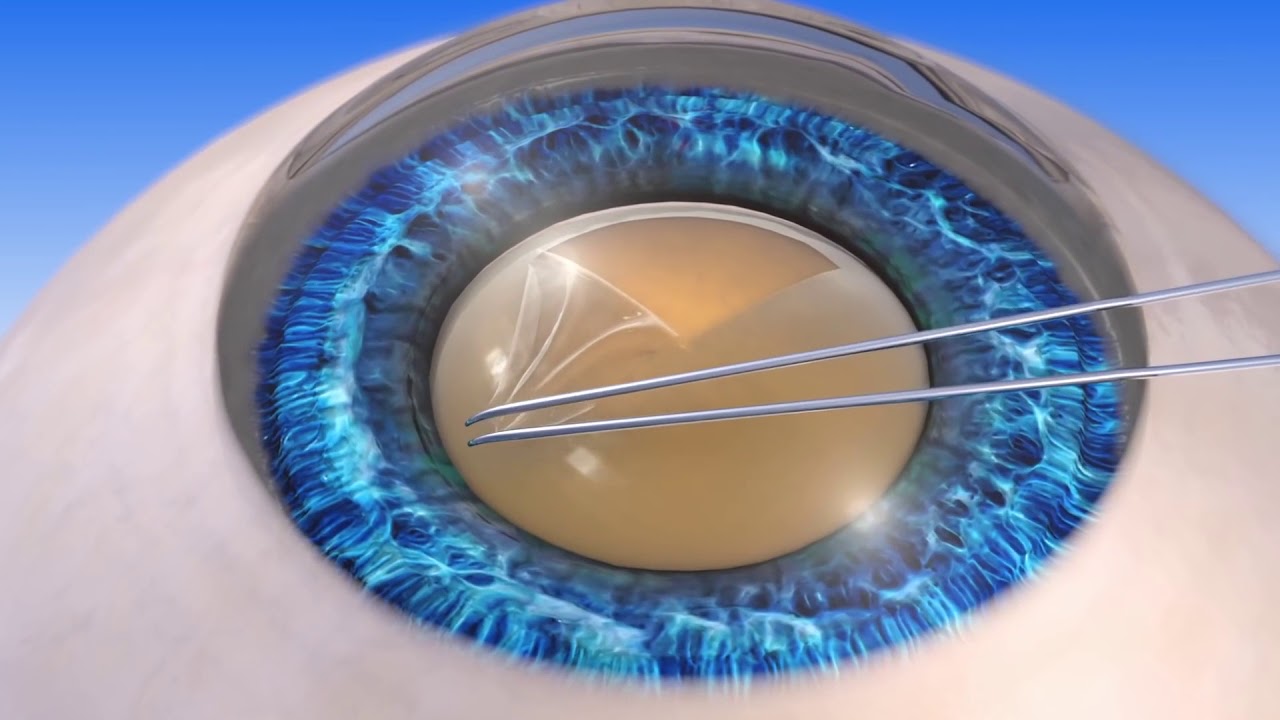
When considering cataract surgery, patients have multiple options depending on their unique needs and the complexity of their cataract condition . Traditional cataract surgery involves the standard approach of phacoemulsification technique, where sound waves are used to disrupt the opaque lens. The pieces are then gently removed, and an synthetic lens (IOL) is inserted . This method is widely recognized and offers a high success rate with low complications.
In the past few years , innovative techniques have been developed , such as laser-guided cataract surgery. This modern approach employs a special laser to perform key steps of the operation , such as making incisions and disaggregating the cataract. Laser-assisted surgery can improve precision, may shorten recovery time, and may lead to better outcomes for patients with intricate cataracts or specific visual needs. Eye surgeons often assess each patient’s specific situation to determine the ideal technique.
Another significant consideration in cataract surgery is the category of intraocular lens used. Candidates now have the ability to choose between traditional monofocal lenses, which provide focused vision at one distance , and advanced multifocal or toric IOLs that can rectify presbyopia and astigmatism. These choices enable doctors to tailor the surgery to meet each individual’s vision correction needs, making it vital for patients to discuss their wishes and goals with their healthcare professional before surgery.
Choosing the Suitable Surgeon for Lens Surgery
Concerning cataract surgery, selecting the right surgeon is vital for achieving the optimal possible outcome. Search for an ophthalmologist who focuses in cataract procedures and has significant experience in the profession. Reviewing the surgeon's credentials, such as their academic achievements, board certification, and training, can provide insight into their expertise. Additionally, evaluate their history with cataract surgery complications and patient satisfaction rates.
Direct referrals can also be advantageous. Talk with family, friends, or your primary care physician about their suggestions for a reputable cataract surgery surgeon. Reviewing online reviews and testimonials can further help you assess the experiences of other patients. Ensure to schedule a consultation to talk about your specific needs and assess the surgeon’s communication style and openness to address your questions.
Ultimately, ensure that the surgical facility is certified and equipped with the latest technology. A modern, advanced center can help to a rapid recovery from cataract surgery. During your consultation, inquire about the surgical approach, the procedure for cataract surgery for both eyes, and any vision correction options offered during the procedure. https://shalon-donald.technetbloggers.de/after-the-treatment-the-personal-connection-in-eye-care of your surgeon's capabilities and the facility's resources will offer confidence as you make this crucial decision.